
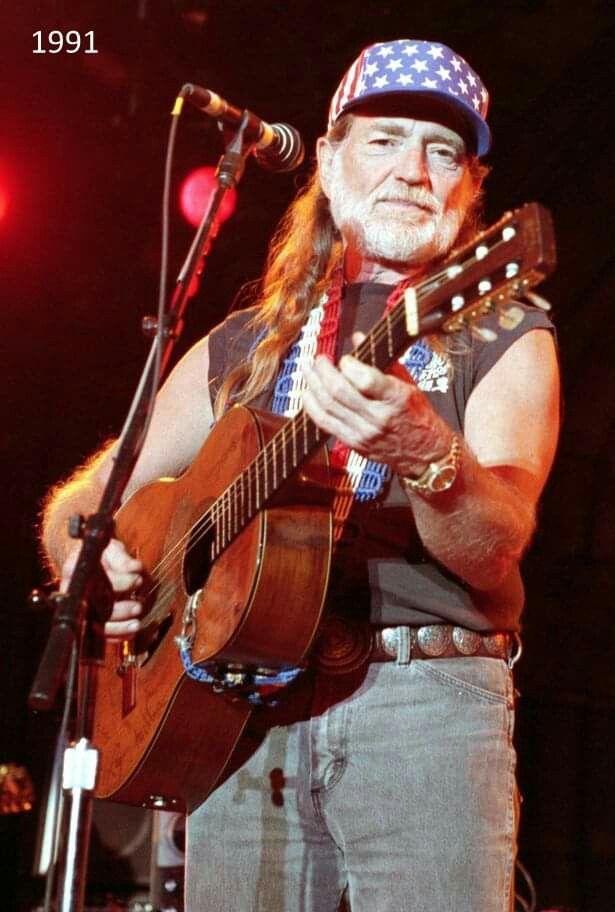
In the vast, sun-baked mythology of American music, few figures loom as large or as enduring as Willie Nelson. For more than seventy years, the Red-Headed Stranger has wandered the highways of country, folk, and outlaw music with nothing but his battered nylon-string guitar Trigger, a bandana, and a voice that sounds like it was carved from the Texas hills themselves. He has outlived trends, survived industry upheavals, and turned personal and financial storms into some of the most honest songs ever written. Now, as rumors swirl about a deeply intimate, stripped-down recording session, a single quote from the legend himself has fans and fellow artists leaning in closer: “I sang this like time was listening.”
This isn’t the thunderous farewell tour many expected from an outlaw who once defined rebellion. It feels far more profound — a quiet, reflective moment that may become the most meaningful coda in a career already overflowing with masterpieces.

The Outlaw Who Never Needed the Spotlight
Willie Nelson has always done things his own way. Long before “outlaw country” became a marketing term, he was bucking Nashville’s polished conventions — letting his hair grow, moving back to Texas, and recording albums that sounded more like late-night porch sessions than commercial products. Songs like “On the Road Again,” “Blue Eyes Crying in the Rain,” “Always on My Mind,” and “Crazy” (which he wrote for Patsy Cline) didn’t just chart — they became woven into the fabric of American life.
Yet even as his legend grew, Willie remained grounded. He has faced IRS battles, the deaths of close friends and family, the highs and lows of fame, and the physical toll of a life spent on the road. Through it all, his music stayed remarkably consistent: warm, conversational, and deeply human. He doesn’t belt notes; he talks to you, phrasing just behind the beat like an old friend sharing stories over whiskey.
That signature style makes this rumored new recording feel especially significant. Stripped of big production, flashy guests, or stadium-sized arrangements, it promises something rare in today’s music landscape: pure vulnerability.

Singing for Time Itself
The phrase “I sang this like time was listening” carries the weight of a man who knows the road is getting shorter. At 93 years old, Willie has slowed his touring schedule but never stopped creating. Those close to the sessions describe a dimly lit room, Trigger in hand, and a voice that has grown richer and more weathered with age. The phrasing is still unmistakably Willie — that relaxed swing, the jazz-inflected timing — but now layered with the unmistakable gravity of lived experience.
You don’t just hear notes when Willie sings today. You hear the miles. You hear the laughter from Honeysuckle Rose, the pain of loss, the joy of family, the wisdom earned from mistakes, and the gratitude of still being here. Singing as if time itself were the audience suggests a performance free from commercial pressure or audience expectations. It is a man reckoning with his legacy, offering thanks, perhaps saying goodbye, and leaving something honest for whoever comes after.
This approach stands in stark contrast to the modern music industry’s love of spectacle. Many aging icons go out with massive farewell tours, hologram performances, or heavily promoted documentaries. Willie’s rumored final recording feels more like a whispered conversation at the end of a long night — intimate, unpolished, and profoundly moving.
A Life Measured in Quiet Connections
Willie Nelson’s genius has always been his ability to make the personal feel universal. He writes about heartbreak, redemption, freedom, and the simple pleasures of life with equal sincerity. His famous Fourth of July picnics brought together hippies, rednecks, and everyone in between. His collaborations with everyone from Waylon Jennings and Merle Haggard to modern artists like Snoop Dogg show an artist who never stopped evolving while staying true to his roots.
In this potential farewell piece, those themes likely converge. Gratitude for the road. Reflection on love and loss. Acceptance of life’s impermanence. A nod to the fans who have ridden along for decades. There’s no need for another chart-topper or radio single. The power lies in the stillness — the space between notes where memory and emotion live.
Those who have heard early descriptions of the session speak of its emotional weight. One witness reportedly said the room fell completely silent when the last chord faded, as if everyone present understood they had witnessed something sacred. In an industry obsessed with streams, virality, and noise, Willie is reminding us that the most lasting art often arrives in a whisper.
The Outlaw’s Enduring Legacy
Should this recording see the light of day, it will join a catalog that has already shaped generations. Willie didn’t just sing about the American spirit — he embodied it: restless, resilient, independent, and deeply compassionate. He has advocated for family farmers, legalization of marijuana, and countless causes close to his heart, all while maintaining that gentle, wry humor that defines him.
More importantly, he has shown that authenticity endures. While trends come and go, Willie’s music continues to find new listeners. Young artists cite him as an influence not just for his sound, but for his uncompromising independence and generosity of spirit.
A quiet final recording would perfectly bookend his story. The man who helped birth outlaw country, who turned tax troubles into a triumphant album, who kept touring long after most would have retired — now offering one last, unvarnished truth. No pyrotechnics. No grand statements. Just Willie, Trigger, and time listening closely.
A Farewell That Feels Like Home
In the end, Willie Nelson’s greatest gift may be this: he made millions of strangers feel like they were riding shotgun with an old friend. His voice has accompanied road trips, heartbreaks, celebrations, and quiet nights of reflection. If this intimate recording is indeed his farewell to the studio, it will stand as proof that the most powerful goodbyes don’t need to shout.
They simply need to be true.
As fans wait with a mixture of anticipation and bittersweet emotion, one thing feels certain. When that final track plays — whether in a truck cab, on a front porch, or through headphones on a lonely highway — listeners won’t just hear a song. They’ll hear a lifetime. They’ll hear gratitude, acceptance, and the quiet grace of a man who sang like time was listening… and gave us all something beautiful to remember him by.
The outlaw who spent decades making joyful noise across the world may ultimately leave his deepest mark in the profound, beautiful silence that follows his last note.